
Dogs of the world · Southern Africa
Dogs of South Africa: Rhodesian Ridgeback history, temperament and daily life
Discover the Rhodesian Ridgeback's Southern African story, working history, temperament, exercise needs, climate considerations and what dog owners should plan before bringing one home.
The country and the dog
Breed history becomes useful when it changes the ownership decision.
South Africa is home to dog ownership cultures that change dramatically between dense cities, coastal suburbs, highveld towns, farms and rural communities. A dog that seems perfectly suited to one household may be a poor fit for another because climate, secure space, travel distance, housing rules and access to veterinary care all shape the real experience.
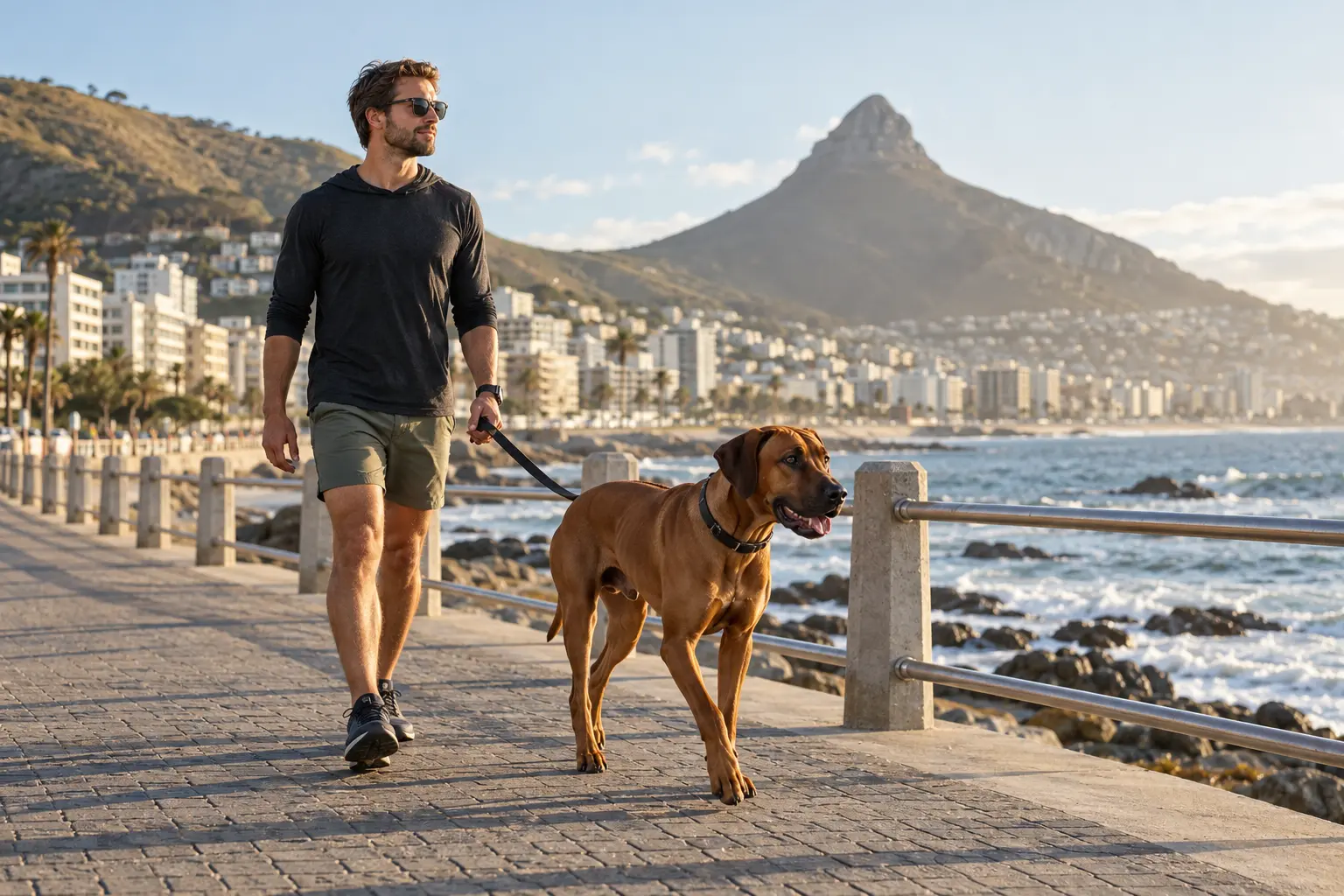
The Rhodesian Ridgeback is one of the country's best-known native-associated breeds. Its story is not a simple label about toughness. It is a story about endurance, independence, human partnership and a dog that needs thoughtful boundaries, meaningful activity and a household able to respect both its physical power and its sensitivity.
Breed story
Rhodesian Ridgeback
Origin: Southern Africa
The Ridgeback developed in Southern Africa from local and introduced dog populations selected for practical work in demanding environments. The ridge is its most recognisable feature, but the more useful ownership question is what sits behind the appearance: athleticism, persistence, awareness and a tendency to form a close bond with its people.
A Ridgeback is not automatically a suitable guard dog, running companion or family dog simply because it is strong. Early socialisation, humane training, safe fencing and careful management around small animals matter. A calm adult with a reliable routine may be very different from a bored adolescent with too much freedom and too little direction.
South Africa ownership planning
Climate and the South African household
Many South African households need to plan around heat, sun exposure, water access and seasonal storms. A large athletic dog still needs shade, rest and a routine that avoids the hottest part of the day. Coastal humidity, dry inland heat and high-altitude conditions should not be treated as one national climate.
Housing also matters. Secure fencing, gate discipline, neighbour relationships and the ability to transport a large dog safely are more important than a postcode label. Before choosing a Ridgeback, a household should test its actual weekday routine rather than imagining an ideal weekend lifestyle.
South Africa ownership planning
Who may enjoy living with a Ridgeback
The breed can suit owners who value an affectionate but not constantly dependent companion, enjoy structured outdoor time and are prepared to train without intimidation. It may fit an experienced household that can provide secure space, predictable rules and calm exposure to people, dogs, traffic and new environments.
It may be difficult for a first-time owner who wants a naturally obedient dog, has weak fencing, works long hours without support or expects a big dog to exercise itself. Breed history is useful only when it improves the household decision.
South Africa ownership planning
South African planning questions
Ask which municipality, estate, landlord or body corporate rules apply. Locate a veterinary practice and an emergency option before the dog arrives. Plan safe exercise for heat, consider the cost of quality food and parasite prevention, and decide how the dog will travel if the household moves between cities or crosses a border.
Continue researching
Use this story as a map, then verify the details that can change.
Breed history and general ownership guidance can help a reader ask better questions. Laws, entry rules, transport policies, prices and health decisions need current official or professional confirmation for the exact dog, household and route.