
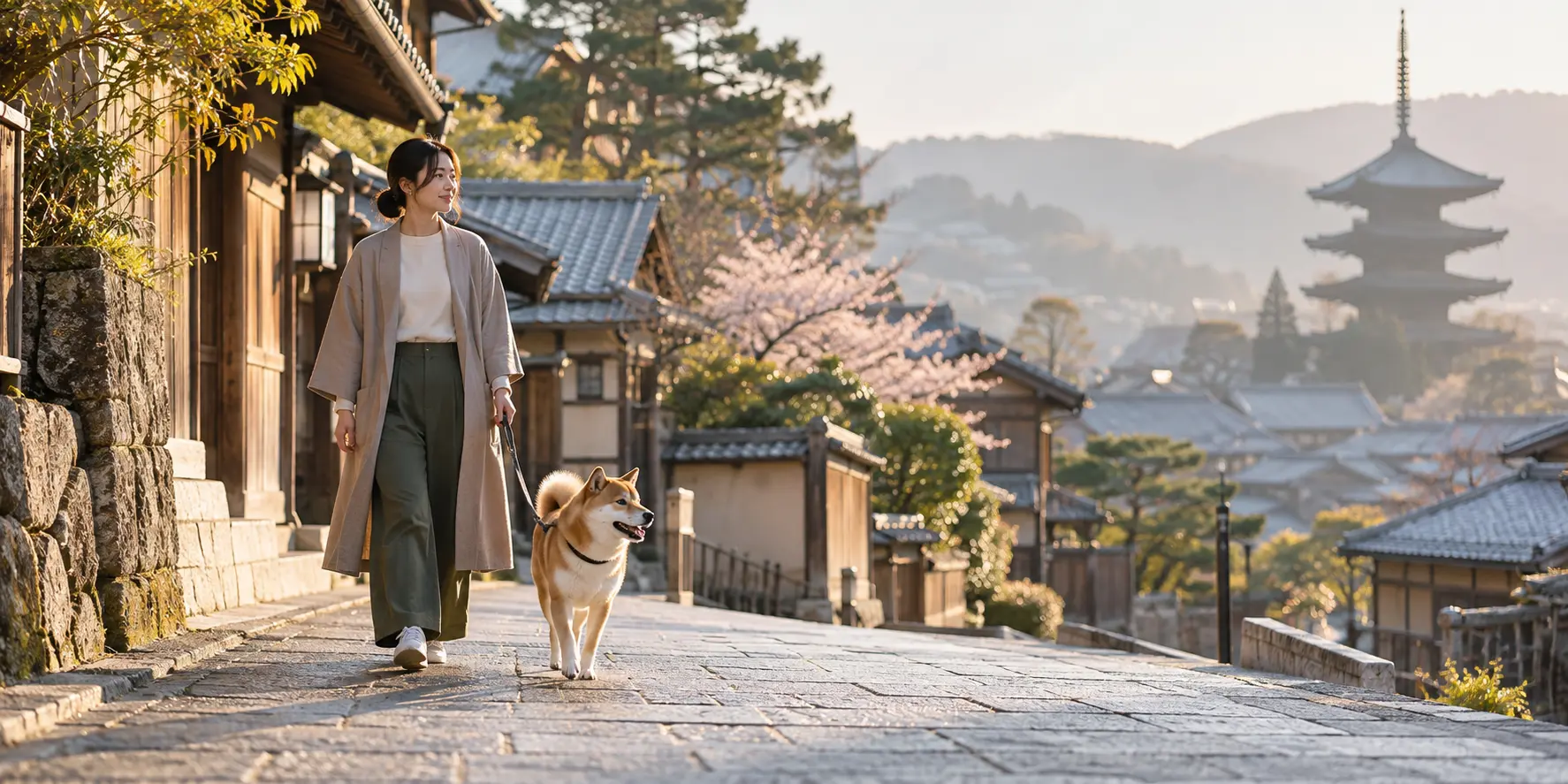
Breed comparison · Temperament and enrichment
Shiba Inu vs Lagotto Romagnolo: Independent Spirit or Collaborative Enrichment?
Compare the Shiba Inu and Lagotto Romagnolo for training, scent work, grooming, urban life, handling and owner expectations.
A better comparison
Breed choice becomes clearer when the trade-offs are visible.
The Shiba Inu and Lagotto Romagnolo can both appeal to owners who enjoy a distinctive dog with a strong personality, but they often ask for different kinds of cooperation. One may be more independent and selective, while the other may seek closer collaboration and more active scent-based engagement.
Neither description should replace meeting the individual dog. The comparison is most useful when it helps an owner think about recall, grooming, handling, training, noise, urban exposure and the kind of relationship they actually want to build.

Side-by-side planning
What changes between these two dogs?
| Question | First breed | Second breed |
|---|---|---|
| Training relationship | Often independent and selective, requiring respectful management and realistic recall expectations. | Often enthusiastic about scent work and problem solving when trained thoughtfully. |
| Urban life | May cope with a compact home but needs gradual exposure and excellent escape prevention. | May adapt to city living when daily enrichment and coat care are sustainable. |
| Grooming | Seasonal shedding and routine coat care should be expected. | Curly coat maintenance, mat prevention and grooming appointments are part of ownership. |
| Owner expectation | May suit someone who respects a dog with boundaries and opinions. | May suit someone who enjoys structured games, scent work and close participation. |
Both need positive learning and a household that enjoys repetition. Crowds, noise, routes and rest should be assessed for the individual dog. A beautiful coat is a commitment, not a decoration. Neither is guaranteed to welcome every person or dog.
01
Dog Haven Group decision guide
Choose the interaction you can sustain
Think about how you enjoy spending time with a dog. Some owners value a companion that shares the room but does not need constant direction. Others want daily training, searches and cooperative activities. Both preferences are legitimate, but confusing them can create frustration.
Ask current owners how the dog handles nail care, visitors, travel, new places and being asked to pause. The ordinary handling moments often decide whether the match works.
02
Dog Haven Group decision guide
Safety and trust are built in small sessions
Use secure equipment, gradual exposure and reward-based handling. Teach the dog that returning, being touched and resting lead to good outcomes. The best temperament is still supported by a careful environment and consistent people.
Keep researching